








Zoning maps are indispensable tools for real estate buyers, offering critical insights into property usage, restrictions, and development potential. These maps guide planning, impact property values, and influence investment decisions. Online tools facilitate easy access to detailed parcel data, enabling informed choices while navigating urban trends like mixed-use developments and sustainability. Thorough research using official government websites is recommended for compliance and proactive decision-making in diverse land use scenarios.
In today’s competitive real estate market, understanding zoning maps is more than a niche concern—it’s a strategic imperative for buyers. Zoning regulations play a pivotal role in shaping urban landscapes and influencing property values. For discerning buyers, comprehending these maps is essential for making informed decisions, especially with current trends like mixed-use development and smart growth initiatives reshaping cities. This article delves into the intricate relationship between zoning maps and buyer planning, offering valuable insights to navigate this complex landscape effectively. By exploring practical examples and industry best practices, we equip readers with the knowledge to unlock opportunities and make sound investments.
Understanding Zoning Maps: A Buyer's Perspective
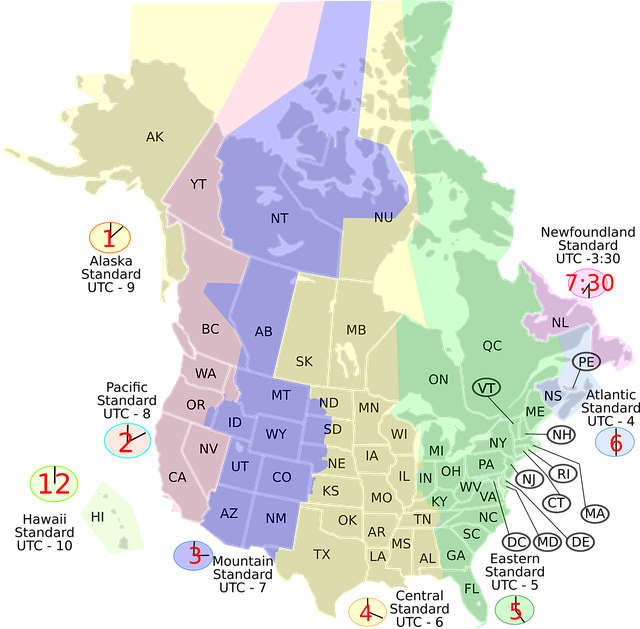
Zoning maps are indispensable tools for buyers navigating today’s real estate landscape. These detailed plans, available through zoning map parcel lookup, offer crucial insights into property usage and development potential. Understanding a property’s zoning classification is essential in planning any project or investment—from constructing a new home to repurposing an existing building. Zoning regulations dictate what can be built, where, and how, influencing buyers’ decisions significantly.
For instance, knowledge of zoning maps allows buyers to discern between residential zones that permit single-family homes only and commercial areas suitable for retail or office spaces. This distinction is vital for prospective investors looking to maximize returns. Moreover, zoning maps often reveal set-back requirements, density limits, and permitted land uses, enabling buyers to assess a property’s viability for their intended purposes. Online tools facilitate easy access to these maps, streamlining the due diligence process.
Practical advice for buyers is to conduct thorough research using available resources, including official government websites offering comprehensive zoning map parcel lookups. Analyzing this data early in the search process helps narrow down options and avoid unexpected restrictions. By understanding the zoning regulations specific to each property or area of interest, buyers can make more informed decisions, ensuring their plans align with local laws. This proactive approach not only saves time but also fosters a smoother transition from purchase to development or occupancy.
Current Trends in Urban Planning and Zoning
In contemporary urban planning, zoning maps have emerged as indispensable tools for shaping development and guiding buyer decisions. With rapid urbanization and evolving real estate trends, these maps play a pivotal role in managing land use efficiently. Current practices highlight a shift towards more sustainable and mixed-use developments, where zoning regulations are being refined to accommodate diverse needs. For instance, many cities are promoting higher-density housing near transportation hubs, encouraging walkable communities, and integrating commercial and residential spaces to foster vibrant urban environments.
The integration of technology has further enhanced the effectiveness of zoning maps. Advanced mapping software enables detailed parcel lookups, providing buyers with precise information on property boundaries, zoning designations, and permitted uses. This data-driven approach streamlines the planning process, allowing prospective purchasers to make informed choices about suitable locations for their ventures or residences. For example, a commercial real estate developer can utilize zoning map parcel lookup to identify sites with potential for mixed-use developments, balancing retail, office, and residential spaces.
Additionally, current urban planning trends emphasize transparency and community engagement. Zoning maps are increasingly made accessible online, allowing public scrutiny and feedback. This participatory approach ensures that development plans align with local aspirations and addresses concerns related to preservation of green spaces, infrastructure demands, and equitable distribution of amenities. By keeping zoning maps up-to-date and readily available through tools like parcel lookup services, urban planners can facilitate efficient buyer planning while navigating the complexities of modern urban landscapes.
Impact on Property Value: Analyzing Zoning Regulations
Zoning maps play a pivotal role in shaping buyers’ planning strategies, especially when considering property investments. These regulatory tools, available through zoning map parcel lookup, offer critical insights into land use and development potential. Understanding the impact of zoning regulations on property value is essential for informed decision-making.
In urban areas, for instance, residential zones with strict building height limitations can significantly influence nearby property values. While these restrictions may preserve a neighborhood’s character, they also cap the potential appreciation of adjacent properties. Conversely, commercial zones that permit mixed-use developments can boost surrounding land values by fostering increased foot traffic and economic activity. A recent study in major cities revealed that properties in areas with well-planned, diverse zoning had an average 15% higher market value than those in uniformed zones.
Furthermore, zoning maps often dictate permitted land uses, impacting property appeal and desirability. Industrial zones, for example, may attract businesses seeking large plots for manufacturing but could deter residential development due to noise and traffic concerns. Conversely, areas with planned mixed-use developments, as indicated on the zoning map, can enhance property values by offering a diverse range of amenities within walking distance. Expert advice suggests that buyers should scrutinize zoning maps to identify future growth potential while considering the immediate neighborhood dynamics. Utilizing online tools for zoning map parcel lookup allows prospective investors to stay informed about regulatory changes and their implications on property value.
Navigating Development Constraints with Zoning Maps

Zoning maps play a pivotal role in shaping buyers’ planning strategies, especially within the realm of real estate development. These detailed plans, which visually represent land use regulations, offer a comprehensive overview of an area’s potential for construction and investment. With current trends leaning towards urban intensification and mixed-use developments, understanding zoning constraints has become paramount for both developers and buyers.
Navigating development constraints with zoning maps allows buyers to make informed decisions regarding property acquisition and future planning. A simple zone map parcel lookup can reveal critical information about building permits, density allowances, and specific use designations. For instance, in densely populated urban centers, buyers might utilize these maps to identify areas suitable for high-rise residential towers or mixed-use projects that blend retail and housing. Conversely, in suburban or rural settings, zoning regulations may encourage lower-density developments such as single-family homes or agricultural uses.
Experts advise that buyers conduct thorough research using both online and physical copies of zoning maps to ensure compliance with local laws. This process involves scrutinizing parcel-level data, understanding historical changes in zoning ordinances, and consulting with urban planning professionals. By embracing these strategies, buyers can avoid costly mistakes, anticipate potential challenges, and position themselves as forward-thinking investors who grasp the evolving nature of urban landscapes. Ultimately, a deep understanding of zoning maps empowers buyers to navigate development constraints, capitalize on emerging trends, and contribute to the vibrant tapestry of modern communities.
Case Studies: Successful Buyer Integration of Zoning Data

Zoning maps have emerged as a powerful tool for buyers in navigating real estate markets, particularly with the current trends favoring data-driven decision-making. Successful integration of zoning data into buyer planning is evident in various case studies where detailed zoning map parcel lookups have facilitated informed choices. For instance, in densely populated urban areas, understanding zoning regulations has enabled buyers to identify properties suitable for mixed-use developments or renovations, aligning with the growing demand for versatile spaces.
A prominent example is the transformation of industrial sites into vibrant mixed-use communities. Buyers conducting thorough zoning map parcel lookups discovered opportunities to rezone and repurpose these areas, contributing to urban regeneration. This strategy has not only enhanced property values but also fostered diverse, sustainable neighborhoods. Moreover, in suburban regions, zoning maps assist buyers in assessing potential for future expansion or land-use changes, ensuring investments remain current with evolving trends.
By incorporating zoning map data into their research, buyers can anticipate market shifts and make proactive decisions. Zoning map parcel lookup tools streamline this process, providing access to detailed information that was once laborious to acquire. Real estate professionals recommend utilizing these resources early in the buyer’s journey to avoid unforeseen restrictions. This proactive approach not only saves time but also ensures buyers are well-positioned to capitalize on emerging trends and secure desirable properties.
Future-Proofing Real Estate: Trends Shaping Zoning Strategies

In the dynamic landscape of real estate, buyers and developers alike are increasingly turning to zoning maps as a crucial tool for future-proofing their investments. As urban areas grapple with rapid growth and changing demographics, zoning strategies have evolved to accommodate evolving needs. A comprehensive zoning map is not merely a regulatory document; it’s a roadmap that guides development, shapes neighborhoods, and influences buyer planning. By understanding the intricate interplay between zoning regulations and current trends, professionals can make informed decisions that stand the test of time.
One prominent trend shaping zoning strategies is the push for mixed-use developments. Cities are increasingly encouraging blends of residential, commercial, and retail spaces to foster vibrant communities. This multifaceted approach not only reduces urban sprawl but also enhances accessibility and livability. For buyers, this translates into a diverse range of property options within close proximity. A simple zoning map parcel lookup can reveal the potential for integrating residential units with local businesses, creating sustainable and thriving micro-communities. Data from major metropolises shows that mixed-use districts have experienced higher occupancy rates and increased property values, underscoring their appeal to both residents and investors.
Another significant trend is the focus on sustainability and green spaces. Zoning maps are now incorporating provisions for eco-friendly practices, such as energy-efficient building designs, green roofs, and dedicated areas for community gardens. Buyers who prioritize environmental consciousness can leverage these maps to identify properties that align with their values. For instance, a zoning map parcel lookup might reveal opportunities to invest in renewable energy projects or acquire lots situated near planned urban parks. As global awareness of climate change grows, developers who incorporate sustainable practices into their projects are poised to attract environmentally conscious buyers and secure long-term profitability.
To stay ahead in the market, real estate professionals should engage with local authorities and stay updated on zoning map revisions. By proactively understanding changing regulations, they can anticipate future trends and position themselves for success. Incorporating these insights during the planning phase ensures that investments are not only compliant but also forward-thinking. Ultimately, a well-informed approach to zoning maps enables buyers and developers to navigate the complexities of urban growth while securing properties that thrive in a constantly evolving landscape.