








Zoning maps are indispensable tools for real estate buyers, offering detailed insights into land use regulations and development types. They help identify areas suitable for specific projects, navigate constraints, and capitalize on opportunities driven by urban trends like mixed-use developments and sustainable practices. By understanding and utilizing zoning maps, buyers ensure compliance with local laws while staying ahead of emerging market dynamics.
Zoning maps play a pivotal role in shaping urban landscapes and guiding development, making them an indispensable tool for both developers and home buyers. In today’s dynamic real estate market, these maps are more than just regulatory frameworks; they are predictive indicators of future trends and opportunities. Understanding zoning regulations can significantly influence buyer planning, from site selection to project scope. This article delves into the intricate relationship between zoning maps and buyer strategies, offering insights on how this powerful resource navigates current market trends, ensuring informed decision-making for both seasoned professionals and aspiring buyers alike.
Understanding Zoning Map: The Foundation for Buyer Planning
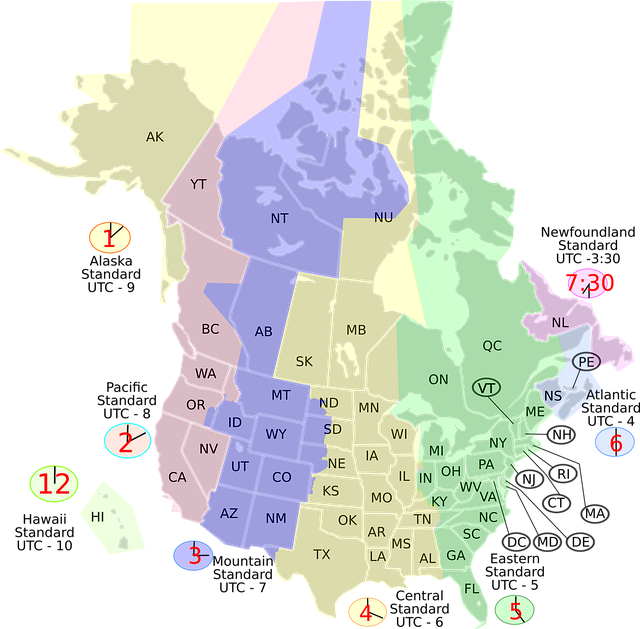
A zoning map serves as a crucial tool for buyers navigating today’s competitive real estate market. Understanding this map is fundamental to planning and strategizing, especially with current trends influencing buyer behavior. Each municipality or region uses a zoning map to regulate land use, ensuring consistent development patterns and community character. This visual representation categorizes parcels of land into specific zones, dictating the type of structures that can be constructed and their corresponding uses.
For buyers, delving into the zoning map is an essential step in their journey. It provides critical insights into property potential, constraints, and opportunities. For instance, a buyer interested in developing a mixed-use commercial and residential project will rely on the zoning map to identify areas suitable for such ventures. By conducting a zoning map parcel lookup, they can determine if a particular site allows for multi-family housing or retail establishments, guiding their search accordingly. This proactive approach ensures that buyers make informed decisions, aligning their plans with local regulations.
Moreover, trends like urban densification and mixed-use development are driving changes in zoning maps. Cities are encouraging higher-density living and vibrant, walkable neighborhoods, leading to more flexible zoning regulations. Buyers who stay abreast of these changes can capitalize on emerging opportunities. For example, a buyer looking for an investment property might identify underutilized land or buildings that could be redeveloped to meet new urban design standards, ensuring their purchase aligns with the region’s evolving landscape. Understanding and utilizing zoning maps, therefore, empowers buyers to not just acquire properties but to contribute to the dynamic real estate tapestry of their communities.
Current Trends in Zoning: Impact on Real Estate Purchases
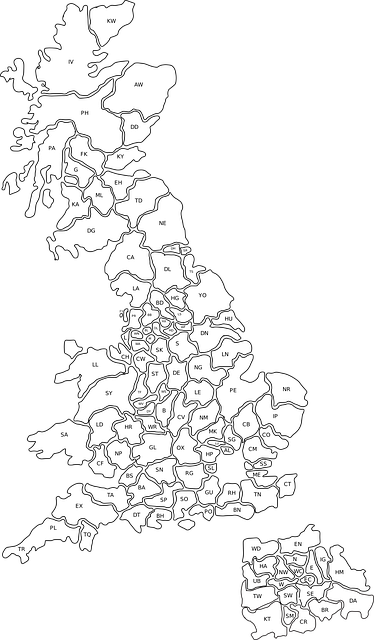
In today’s real estate market, buyers are increasingly strategic in their planning, and a key tool guiding this process is the zoning map. Zoning regulations, often depicted on detailed maps, dictate how land can be used, shaping the future of urban landscapes and influencing buyer decisions significantly. Current trends reveal a growing emphasis on mixed-use developments, with many cities encouraging vibrant, walkable neighborhoods through revised zoning codes. For instance, in dense urban areas, developers are now permitted to build residential towers with commercial spaces integrated at street level, fostering more interactive communities.
Expert analysts note that these changes have profound implications for buyers. Access to essential amenities becomes a primary consideration when assessing properties. A quick zoning map parcel lookup can reveal allowed uses and density ratios, helping prospective purchasers visualize potential renovations or new constructions. For example, a buyer interested in transforming an older industrial site might discover through this lookup that the area is now zoned for mixed-use development, opening doors to innovative residential and commercial hybrid concepts. This trend encourages buyers to be proactive in identifying areas with regulatory support for their desired projects.
Additionally, sustainable practices are driving zoning map updates worldwide. Many regions are adopting green building standards and encouraging environmentally conscious land use. Buyers attuned to these trends can find opportunities in areas designated for energy-efficient developments or those with incentives for incorporating green spaces. As cities evolve, understanding the latest zoning regulations through tools like zoning map parcel lookups becomes imperative for buyers seeking to capitalize on emerging trends while ensuring compliance with local laws.
Utilizing Zoning Maps: Strategies for Informed Buyer Decisions

Zoning maps have emerged as indispensable tools for buyers looking to make informed decisions in their real estate ventures. These comprehensive visual guides, which detail land use regulations and permitted development types within specific areas, offer a wealth of insights that can significantly shape buyer planning strategies, especially with current market trends emphasizing sustainable, mixed-use developments. By utilizing zoning maps effectively, buyers can anticipate future possibilities, assess investment potential, and navigate the complexities of urban landscapes.
One of the primary advantages of zoning map parcel lookup is its ability to provide granular information on property usage. For instance, a buyer considering a purchase in a bustling metropolis might consult the zoning map to confirm the area’s designation for residential, commercial, or mixed-use development. This knowledge enables them to make strategic choices aligned with their goals—whether it’s securing a plot for a future expansion or ensuring compliance with local regulations from the outset. Furthermore, these maps often include data on building restrictions, set-back requirements, and permitted building types, empowering buyers to envision how a property could be utilized while adhering to zoning norms.
In today’s market, where sustainable and innovative design trends are gaining traction, zoning maps play a pivotal role in guiding buyer decisions. For example, buyers seeking eco-friendly investments can use these resources to identify areas that encourage green building practices or support specific renewable energy initiatives. By understanding the zoning regulations early on, buyers can collaborate with developers or architects to create tailored designs, ensuring their projects not only comply with local laws but also embrace current trends. This proactive approach can lead to unique and valuable properties that resonate with evolving buyer preferences.