








Zoning maps are essential tools for real estate investors, providing detailed insights into land use regulations, building restrictions, and community development plans. They guide decisions by classifying land uses for residential, commercial, and industrial purposes. Digital tools enable online lookups of property boundaries, ownership records, and assessment data. Current trends favor mixed-use developments and sustainable practices, with green spaces and renewable energy requirements integrated into zoning maps. Understanding these classifications and restrictions is crucial for informed investment decisions, aligning with desired settings and future market trends. Engaging with urban planners ensures buyers stay ahead in dynamic real estate markets, securing advantageous positions through knowledge of evolving zoning map policies.
In the dynamic realm of real estate, understanding the intricate interplay between zoning maps and buyer behavior is paramount for both professionals and investors. Zoning maps, as instrumental tools in urban planning, significantly influence property acquisition strategies. With current trends favoring mixed-use developments and adaptive re-use, buyers must navigate these evolving landscapes effectively. This article delves into the profound impact of zoning maps on buyer planning, elucidating how they facilitate informed decisions, mitigate risks, and capitalize on emerging opportunities. By examining contemporary trends, we offer valuable insights for professionals navigating this critical aspect of real estate strategy.
Understanding Zoning Maps: Key to Buyer's Journey
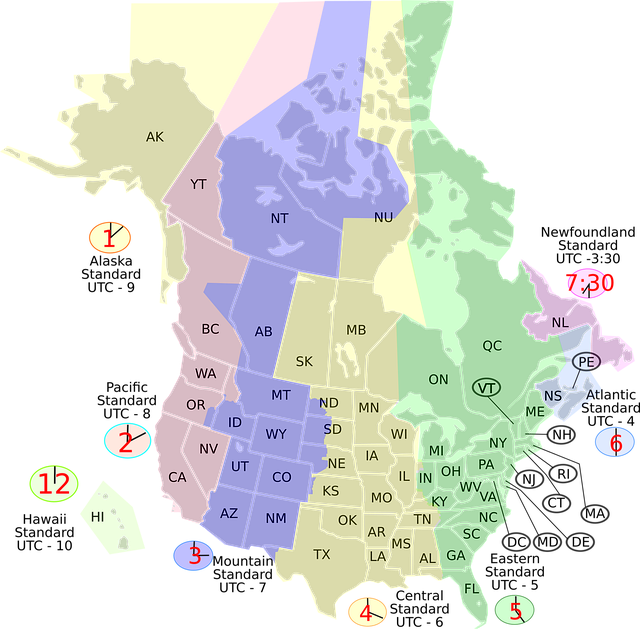
Zoning maps play a pivotal role in shaping buyer planning, especially with current trends pushing towards more informed and strategic real estate investments. These maps, detailed and comprehensive, offer crucial insights into land use, building regulations, and community development plans. Understanding them is the key to navigating the buyer’s journey effectively.
For instance, a zoning map parcel lookup can reveal that an area zoned for residential use has specific guidelines on lot size and building height, influencing design possibilities. Similarly, commercial zones often come with restrictions on noise levels and loading zones, essential knowledge for prospective business owners. By consulting these maps, buyers can make informed decisions about property suitability, ensuring their investments align with both current regulations and future plans.
The evolution of smart cities has further emphasized the importance of zoning maps. Digital tools now allow for interactive map parcel lookups, providing real-time data on property boundaries, ownership, and assessment records. This accessibility empowers buyers to conduct thorough due diligence, assess neighborhood dynamics, and predict potential changes that may impact their investments. As urban landscapes continue to transform, these maps serve as a reliable guide, enabling buyers to envision the future of their properties within the context of the community at large.
Current Trends in Land Use Planning

Zoning maps have emerged as indispensable tools in modern land use planning, profoundly influencing buyers’ strategies and market trends. These detailed, regulatory frameworks meticulously divide territories into specific zones, dictating permitted land uses, thereby shaping urban and suburban development. With the ever-evolving nature of urban spaces, understanding current zoning map practices is paramount for both developers and homebuyers.
Current trends highlight a growing emphasis on mixed-use developments, where residential, commercial, and sometimes industrial purposes intertwine. Zoning maps are meticulously designed to accommodate these diverse uses, fostering vibrant communities. For instance, a comprehensive zoning map parcel lookup reveals that many urban centers are encouraging the conversion of former industrial sites into trendy mixed-use neighborhoods, revitalizing areas once dominated by manufacturing. This trend not only promotes sustainable growth but also offers unique opportunities for buyers seeking diverse living environments.
Moreover, sustainability is a prominent concern, leading to innovations in zoning regulations. Many regions are now incorporating green spaces, renewable energy requirements, and efficient building practices into their zoning maps. Homebuyers who prioritize eco-friendly living find these developments increasingly attractive. A zoning map lookup could reveal dedicated areas for community gardens or mandatory green roofs, showcasing how planning policies are aligning with global sustainability goals. Embracing these trends allows buyers to make informed decisions, ensuring their investments not only comply with regulations but also contribute to a more sustainable future.
Impact on Property Values and Buyer Decisions

The zoning map plays a pivotal role in shaping buyers’ planning and decisions, especially when considering property values. This regulatory tool, meticulously designed to classify land use across a city or region, offers profound insights into areas suitable for specific purposes, from residential to commercial and industrial. By understanding these classifications through a zoning map parcel lookup, prospective buyers can make informed choices that align with their aspirations and long-term goals.
For instance, in densely populated urban centers, where space is premium, buyers often seek properties within zones designated for high-density residential or mixed-use development. These areas typically boast easy access to amenities, public transportation, and vibrant communities, driving property values higher than less accessible locations. Conversely, buyers looking for tranquil suburban settings may opt for zones classified as low-density residential, where larger lots and more open spaces are common, albeit at potentially lower costs.
Furthermore, zoning maps influence buyer decisions by dictating compatibility with intended land uses. Commercial buyers, for example, would steer clear of areas primarily zoned for single-family homes, seeking instead business districts or industrial zones. This is not only due to regulatory restrictions but also because these areas offer the necessary infrastructure and services to support commercial enterprises. Understanding these zoning nuances can prevent costly missteps and ensure properties meet buyers’ functional requirements from day one.
Actionable advice for buyers involves conducting thorough zoning map parcel lookups before making offers. Online mapping tools and local government websites make this process accessible, allowing buyers to verify property classifications and assess potential future developments in the area. This proactive approach not only helps mitigate buyer’s remorse but also fosters strategic decision-making, ensuring investments are made in zones that support both current and anticipated lifestyle or business needs.
Navigating Zoning Restrictions for Desired Properties

Navigating zoning restrictions is a critical aspect of real estate planning for both buyers and developers. Zoning maps play a pivotal role in shaping property acquisition strategies by dictating how land can be used. These maps are essential tools that provide clear guidelines on what types of structures and activities are permitted within specific areas, ensuring orderly urban development. For instance, residential zones typically restrict commercial uses, while industrial areas may have stringent regulations regarding noise levels and hazardous materials.
When considering a property purchase, buyers must thoroughly study the relevant zoning map parcel lookup to understand the potential restrictions on their desired location. This process involves cross-referencing property data with local government resources, which can be readily accessible online in many regions. By analyzing these maps, prospective buyers can make informed decisions about suitable areas for building their dream homes or investing in real estate. For example, a family looking to establish a business from home might discover that light industrial zones offer more flexibility than residential neighborhoods.
Understanding zoning regulations is particularly important in today’s market where property trends are rapidly evolving. Current trends include the rise of mixed-use developments and infill projects in urban areas, which often require navigating complex zoning requirements. Experts suggest that buyers should consult with local planning departments to gain insights into future development plans and potential changes in zoning maps. This proactive approach ensures that investments align with the region’s growth trajectory and opens opportunities for unique property acquisitions. By embracing the intricacies of zoning map parcel lookups, savvy buyers can secure properties that meet both their immediate needs and long-term goals.
Case Studies: Zoning Map Success Stories

Zoning maps have evolved from simple regulatory tools to dynamic assets that significantly influence buyer planning and market trends. Case studies from urban centers like New York City and San Francisco reveal the profound impact of comprehensive zoning map updates. In NYC, recent amendments focused on increasing affordable housing stock led to a surge in development projects tailored for mixed-use districts, diversifying neighborhood landscapes. This strategic shift not only addressed housing scarcity but also sparked a wave of investment from buyers seeking innovative, compliant properties. Similarly, San Francisco’s adaptive zoning policies have fostered the growth of tech startups and co-living spaces, attracting tech talent and reshaping urban living patterns.
The integration of digital tools has made zoning map parcel lookup more accessible, empowering buyers with granular insights. Advanced online platforms allow users to cross-reference zoning regulations with property data, enabling informed decisions. For instance, a buyer considering a commercial space in a rapidly gentrifying area can leverage these tools to gauge potential for mixed-use development or assess the impact of upcoming infrastructure projects on their investment. This proactive approach ensures buyers stay ahead of market shifts and capitalize on emerging trends, solidifying zoning maps as indispensable resources for strategic planning.
Expert advice emphasizes that understanding local zoning map evolutions is crucial for navigating competitive markets. Buyers should engage with urban planners and developers to gain insights into forthcoming changes, anticipating property values and utilization. By staying abreast of zoning map successes and adapting strategies accordingly, buyers can secure advantageous positions in dynamic real estate landscapes. This forward-thinking approach not only mitigates risks but also unlocks opportunities presented by evolving urban planning initiatives.
Future Trends: Evolution of Zoning Maps

The evolution of zoning maps is a significant trend shaping future urban development and influencing buyer planning. As cities continue to grow and change, so do their land-use regulations, reflected in dynamic zoning map updates. These maps, which have traditionally been tools for local governments to manage property use, are now undergoing a digital transformation, making them more accessible and powerful than ever. For instance, many municipalities now offer online platforms where residents can perform a zoning map parcel lookup, enabling them to quickly ascertain the permitted land uses within specific areas.
This shift towards digital mapping offers several advantages. It improves efficiency in permit applications, as buyers and developers can easily verify site suitability before investing time and resources. Advanced mapping software also allows for more precise analysis of property potential, integrating data on demographics, infrastructure, and environmental factors. For instance, a zoning map lookup could reveal that an area is zoned for mixed-use development with easy access to public transportation, making it an attractive option for modern, sustainable projects.
Looking ahead, the future of zoning maps promises further innovation. Artificial intelligence and machine learning algorithms could enhance mapping capabilities by predicting land-use trends and identifying areas suitable for specific purposes. This predictive analysis would empower buyers and developers to make more informed decisions, anticipating market changes and ensuring their investments remain relevant. As cities strive to accommodate growing populations while preserving amenities, dynamic zoning maps will play a crucial role in shaping sustainable, resilient urban environments.