








Zoning maps are indispensable tools for real estate investors, offering detailed insights into land use regulations and constraints. By analyzing these maps, investors can identify trends, undervalued properties, risks, and potential returns. They guide decisions on commercial vs. residential areas, balance ROI and competition, and mitigate risks through informed choices that maximize gains. Staying updated on zoning changes is crucial for capitalizing on new developments or shifts in land classification. Zoning map lookups aid in property value appreciation assessment and financing options, ensuring strategies remain robust amidst evolving urban landscapes.
Zoning maps play a pivotal role in shaping urban landscapes and guiding investment strategies. For financial investors, understanding the nuances of these maps is essential for navigating market trends and identifying lucrative opportunities. However, deciphering the complex interplay between zoning regulations and property values can be daunting. This article aims to demystify this process by offering an in-depth exploration of how zoning maps influence investment planning through a lens of financial trends. By the end, readers will gain valuable insights to make informed decisions in today’s dynamic real estate market.
Understanding Zoning Maps: Key Financial Considerations
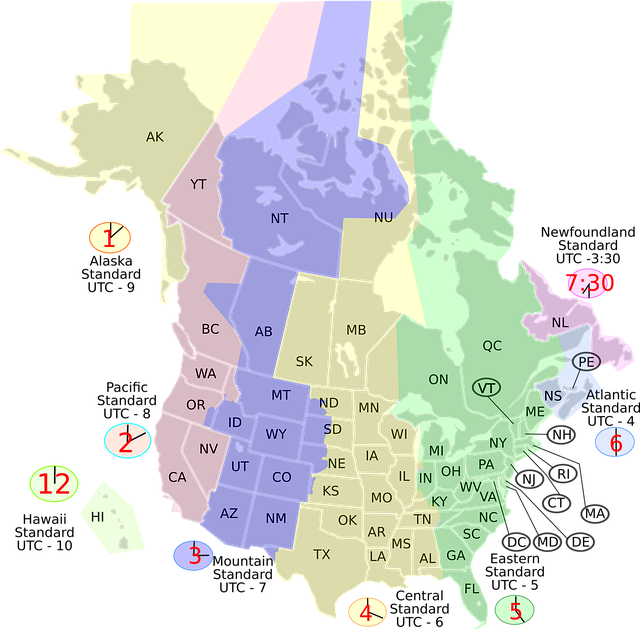
Zoning maps are a critical tool for investors navigating financial trends in real estate. These detailed plans, often accessible through zoning map parcel lookup tools, delineate land use regulations and constraints within specific areas. Understanding the nuances of a given zone can significantly impact investment strategies by revealing potential returns and risks. For instance, commercial zones promise higher profit margins but require substantial capital for construction, while residential areas offer more stable long-term investments with lower initial costs.
Expert investors scrutinize zoning maps to identify emerging trends and undervalued properties. By staying ahead of regulatory changes, they can capitalize on opportunities presented by new mixed-use developments or changes in land classification. For example, a previously industrial area might be rezone for mixed commercial and residential use, triggering an influx of investment and property value appreciation. Zoning map parcel lookups enable investors to assess the potential for property values to rise, ensuring their investments align with evolving market dynamics.
Moreover, zoning regulations influence financing options and return on investment (ROI). Properties in areas with strict restrictions on development may offer higher ROI due to limited competition but could also be more challenging to finance. Conversely, zones encouraging dense urban development may attract aggressive lending but come with risks of fluctuating property values. Investors must balance these factors, leveraging the insights gained from zoning map analysis to make informed decisions that maximize financial gains while mitigating risks.
How Zoning Regulates Property Investments: Trends Unveiled

Zoning maps play a pivotal role in guiding property investments, influencing financial trends among investors. These regulatory tools dictate land use, shaping urban landscapes and impacting property values. Understanding how zoning regulations influence investment decisions is crucial for savvy financiers. A zoning map parcel lookup becomes an essential tool for investors, offering insights into potential returns and risks.
Through a zoning map lookup, investors can uncover specific areas’ development potential. For instance, a search might reveal upcoming mixed-use developments in previously industrial zones, indicating a trend towards revitalization. Such knowledge enables investors to make informed choices, capitalizing on emerging trends. Data from urban planning departments often supports these trends, showing increased demand for residential properties near transportation hubs, formerly underutilized areas now undergoing gentrification, or sites suitable for eco-friendly developments.
Experts emphasize the value of staying abreast of zoning changes. A shift in regulations can dramatically alter a property’s viability. For example, a shift from industrial to commercial zoning opens doors for office spaces and retail opportunities, while residential conversions in historic districts cater to changing lifestyles. Investors who incorporate zoning map parcel lookups into their strategies can navigate these shifts, ensuring their portfolios align with evolving urban landscapes. This proactive approach not only mitigates risks but also positions investors to capitalize on the next wave of financial trends.
Analyzing Land Use: Interpreting Zoning Map for Investors

Zoning maps are indispensable tools for investors navigating real estate markets, offering a window into the future potential of any property. By analyzing land use designations on these maps, investors can unlock critical insights that inform their decision-making processes. A zoning map parcel lookup reveals not just what’s currently permitted on a site but also hints at its future development trajectory. For instance, a commercial zone with plans for residential redevelopment indicates opportunities for savvy investors looking to capitalize on changing trends.
Understanding the nuances of different zoning categories is key. Industrial zones, for example, might be attractive for their high-value storage or distribution uses, while mixed-use districts offer potential for diverse revenue streams through combined residential and commercial development. Zoning maps often include information on building density, height restrictions, parking requirements, and land use regulations. Investors who interpret these data points can anticipate future market shifts, identify undervalued properties, and strategically position themselves to benefit from emerging trends.
Practical advice for investors is to conduct thorough zoning map parcel lookups early in the research process. This proactive approach enables them to assess a property’s true potential, consider development opportunities, and mitigate risks associated with unexpected regulatory hurdles. By staying informed about zoning changes and developments in specific areas, investors can make more informed decisions, ensuring their portfolios remain competitive and profitable in an ever-evolving real estate landscape.
Impact on Property Values: Zoning Map and Market Dynamics

The zoning map, a critical component of urban planning, significantly influences property values and investor strategies. This regulatory tool dictates how land can be used, shaping the market dynamics for developers and investors alike. By understanding the impact of zoning on property values, investors can make more informed decisions, ensuring their portfolios align with current and future market trends.
Zoning regulations directly affect the potential return on investment (ROI) by dictating permissible uses, density limits, and set-back requirements. For instance, a zoning map might designate an area for residential use only, limiting commercial development. This restricts the options for investors seeking mixed-use projects but significantly stabilizes property values within that zone. Conversely, areas with flexible zoning regulations often experience higher property value appreciation due to increased development potential. Investors can leverage these dynamics by identifying zones poised for change, allowing them to purchase land at relatively lower costs and capitalize on future market shifts.
A strategic approach involves performing a zoning map parcel lookup to assess the specific regulations impacting targeted properties. This process enables investors to evaluate the long-term viability of their projects. For example, a lookup might reveal that a particular site is zoned for industrial use but has proposals for residential development in the pipeline. Such insights can lead to lucrative opportunities, such as acquiring land at pre-development prices and positioning oneself to benefit from potential rezoning. By staying abreast of zoning changes and employing effective lookup methods, investors can navigate market fluctuations, ensuring their portfolio remains robust and aligned with evolving urban landscapes.
Navigating Legal Aspects: Zoning Rules for Smart Investing
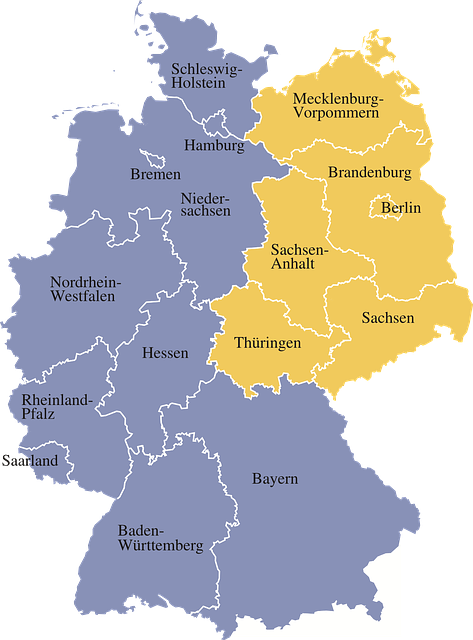
Navigating legal aspects, particularly zoning rules, is a critical component for investors looking to make informed decisions. A zoning map serves as a comprehensive guide, delineating land use regulations that can significantly impact investment strategies. By understanding these rules, investors can identify areas suitable for specific purposes—residential, commercial, industrial—and avoid potential pitfalls. For instance, a zoning map parcel lookup can reveal restrictions on building types, densities, and even height limitations, all of which influence property values and rental markets.
Expertise in this domain requires a keen awareness of local laws and their evolution. Zoning maps are dynamic, subject to amendments and updates that reflect changing urban needs. Investors must stay abreast of these changes, as they can open or close opportunities. For example, a change from industrial to mixed-use zoning can dramatically alter the landscape for nearby properties, creating new investment prospects or necessitating adjustments in existing portfolios. Accessing detailed zoning maps through parcel lookup tools is essential for accurate site assessments and strategic planning.
Practical insights suggest that investors should engage with local authorities and consult zone regulation documents to gain a thorough understanding of area-specific rules. This due diligence process is crucial for avoiding legal complications and ensuring investments align with zoning guidelines. Moreover, it allows for identifying emerging trends in zoning policies, which can foreshadow future real estate developments and market shifts. By integrating zoning map analysis into their investment strategies, professionals can make more informed choices, ultimately enhancing the potential for long-term success.
Future Urban Planning: The Evolving Role of Zoning Maps

The evolution of urban planning is closely tied to the role of zoning maps, which have become indispensable tools for investors navigating future developments. As cities grow and transform, these detailed spatial guides play a pivotal role in shaping real estate investments and strategic planning. Zoning maps, through meticulous parcel lookup and classification, offer a comprehensive view of land use potential, influencing decisions on commercial, residential, or mixed-use projects. For instance, a zoning map may designate certain areas for high-density apartments, while others remain dedicated to low-rise, single-family homes, each with its own set of regulations and restrictions.
In the realm of future urban planning, these maps are undergoing dynamic changes, driven by factors like sustainable development goals, technological advancements, and shifting population dynamics. Experts emphasize that understanding the nuances of zoning map updates is crucial for investors aiming to stay ahead of the curve. For example, a city’s decision to rezone an industrial sector into a tech hub can unlock significant investment opportunities but also presents challenges related to infrastructure and community impact. By conducting thorough zoning map parcel lookups, investors can identify emerging trends, such as the increasing demand for mixed-use developments that blend residential and commercial spaces, thereby facilitating more efficient urban growth.
Moreover, advanced mapping technologies are enhancing the precision and accessibility of zoning data. Online platforms now offer real-time zoning map lookup capabilities, allowing professionals to access up-to-date information promptly. This shift towards digital tools not only expedites the planning process but also empowers investors with data-driven insights, enabling them to make informed decisions about land acquisitions and development projects. As urban landscapes continue to evolve, staying abreast of zoning map changes will remain a strategic imperative for those looking to navigate the dynamic real estate market effectively.