








Understanding zoning maps is vital for home buyers to navigate regulations, anticipate development restrictions, and align with lifestyle preferences. These maps, accessible digitally, detail land use permits, aiding in strategic investments and identifying growth areas. In densely populated areas, buyers seek mixed-use developments or eco-friendly features, reflecting a trend towards location intelligence. Zoning maps guide urban planners and investors, revealing building limits, permitted uses, and community dynamics. Savvy investors use these maps to stay ahead of trends like sustainable living, minimizing risk and maximizing returns.
In the dynamic real estate market of today, understanding the impact of zoning maps on buyer decisions is paramount for both developers and investors. Zoning maps, as regulatory tools shaping land use, play a pivotal role in dictating property values, accessibility, and community character. However, with evolving trends such as mixed-use developments, vibrant urban revitalization, and sustainable design becoming mainstream, the traditional zoning map faces challenges in keeping pace with current market demands. This article delves into how these shifts influence buyer preferences and offers strategic insights on navigating the changing landscape to make informed decisions.
Understanding Zoning Maps: A Buyer's Perspective
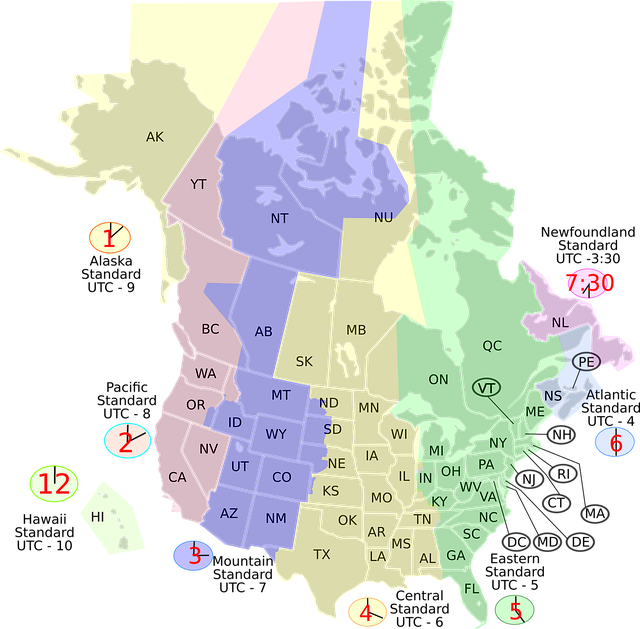
For home buyers, understanding a zoning map is essential for making informed decisions about their future investment. Zoning maps, detailed tools that delineate land use regulations, offer critical insights into what can be constructed or developed within a specific area. By consulting these maps, prospective buyers can gain a clear picture of a property’s potential before making an offer. For instance, knowledge of zoning classifications like residential (R-1 to R-5), commercial (C-1 to C-4), or industrial (I-1 to I-5) allows buyers to envision the neighborhood’s future and align with their lifestyle preferences.
The process of buying a property involves more than just looking at the house itself; it requires an in-depth understanding of the surrounding area, including any potential restrictions on development. A zoning map parcel lookup is a practical tool that enables buyers to cross-reference property boundaries and zoning designations. This method ensures they avoid unforeseen challenges, such as limited expansion possibilities or unexpected changes in zoning regulations over time. For example, a buyer looking to build an addition might discover through a zoning map lookup that their desired location allows for only one unit per lot, restricting their plans accordingly.
Furthermore, staying abreast of current zoning trends is vital for buyers aiming to make strategic investments. Local governments frequently update zoning maps to accommodate changing community needs and economic goals. By keeping up with these changes, buyers can identify emerging hotspots or undervalued areas poised for development. For instance, a recent shift from predominantly industrial zones to mixed-use developments could signal an opportunity for investors looking to diversify their portfolios. Understanding the potential implications of such shifts empowers buyers to make decisions that align with long-term market trends.
Current Trends: Their Impact on Real Estate Choices

In today’s competitive real estate market, buyers are increasingly sophisticated in their decision-making processes, and one tool that significantly influences their choices is the zoning map. Zoning maps, which detail permitted land uses within specific areas, have evolved to become powerful resources for both property seekers and industry experts. With a simple zoning map parcel lookup, prospective buyers can uncover a wealth of information that goes beyond the physical attributes of a property. This trend has been further amplified by the digital age, where easy access to detailed zoning data empowers individuals to make informed decisions.
The current market trends highlight the growing importance of understanding zoning regulations. For instance, in densely populated urban centers, buyers often seek properties with specific zoning designations that allow for desired land uses, such as residential conversion or mixed-use developments. A quick lookup on a comprehensive online platform can reveal if a particular address is situated within a historic district, a commercial hub, or a residential zone, each carrying its own set of regulations and potential benefits. This data-driven approach has become crucial in navigating the real estate landscape, especially for investors looking to capitalize on emerging trends.
Furthermore, as cities embrace sustainable and smart growth initiatives, zoning maps are playing a pivotal role in shaping urban development. Many buyers are now drawn to properties located in areas promoting eco-friendly practices, such as green spaces, energy-efficient buildings, or renewable energy sources. By utilizing zoning map parcel lookups, they can identify and prioritize locations aligned with their values and long-term goals. This trend underscores the evolving relationship between real estate choices and individual preferences, where buyers are not just purchasing property but also contributing to a desired urban or community narrative.
Deciphering Regulations: How They Influence Locations

The zoning map, an often overlooked yet indispensable tool for urban planners and real estate enthusiasts alike, plays a pivotal role in shaping buyer decisions, especially with current market trends favoring location intelligence. Understanding the intricate web of regulations woven into these maps is crucial for navigating the competitive property landscape. Each municipality meticulously crafts these maps to control land use, ensuring harmonious development while preserving community character.
Deciphering zoning regulations involves exploring the specific restrictions and permissions for each parcel of land. A simple zoning map parcel lookup can reveal a wealth of information—from building height limits and permitted uses to set-back requirements and density guidelines. For instance, in dense urban centers, buyers might seek properties with flexible zoning that allows for mixed-use development, fostering vibrant communities. Conversely, suburban areas may enforce more stringent regulations, encouraging single-family residential use.
Expert analysts recommend that prospective buyers thoroughly research the zoning map prior to finalizing their search criteria. This proactive approach enables them to identify locations aligned with their desired property types and investment strategies. By considering zoning regulations early on, buyers can avoid costly mistakes and ensure their investments remain compliant, thereby maximizing long-term returns. Staying informed about current trends in zoning map analysis is a strategic move for anyone navigating the real estate market.
Strategic Planning: Using Maps for Smart Investments

Zoning maps have evolved from simple regulatory tools to powerful strategic planning assets, significantly influencing buyer decisions in today’s competitive real estate market. For savvy investors, these maps offer a wealth of insights into property potential, enabling them to make informed choices that align with current trends and future-proof investments.
Strategic planning involves understanding the intricate relationship between land use, development regulations, and community dynamics. By employing zoning map parcel lookup tools, developers and buyers can uncover valuable data on property utilization, density allowances, and specific restrictions. This process is crucial in identifying sites suitable for mixed-use developments, revitalizing underutilized areas, or designing projects that seamlessly integrate with existing neighborhoods. For instance, a quick lookup may reveal a commercial zone’s potential to convert into residential units, catering to the growing demand for live-work spaces.
Expert insights suggest that buyers should consider zoning maps as critical resources in their investment arsenal. They provide a comprehensive view of local regulations and development patterns, helping to anticipate future changes. For instance, mapping technologies allow users to track urban renewal projects, new infrastructure developments, or changing zoning designations. This proactive approach enables investors to stay ahead of the curve, securing properties that align with emerging trends like sustainable living, smart cities, or inclusive community design. Integrating zoning map analysis into investment strategies ensures buyers make informed decisions, minimizing risk and maximizing return on investment in an ever-evolving real estate landscape.