







Zoning maps are indispensable tools for real estate investors, offering detailed insights into land use regulations and development potential. By analyzing these maps alongside financial data, investors can identify undervalued properties, emerging trends, and strategic investment opportunities. Regular updates on zoning changes are crucial for adapting to local government plans and staying ahead of market shifts, ensuring compliance while maximizing returns.
Zoning maps have emerged as indispensable tools for urban planners and investors alike, shaping the financial trends and development of cities worldwide. Understanding their intricate relationship is crucial for navigating investment strategies effectively. This article delves into the comparative analysis of zoning maps and their profound impact on financial planning. We explore how these regulatory frameworks influence property values, market dynamics, and long-term economic growth. By dissecting real-world examples, this work provides a comprehensive guide for investors to harness the power of zoning maps in making informed decisions, ultimately unlocking lucrative opportunities within diverse urban landscapes.
Understanding Zoning Map: A Foundation for Investors
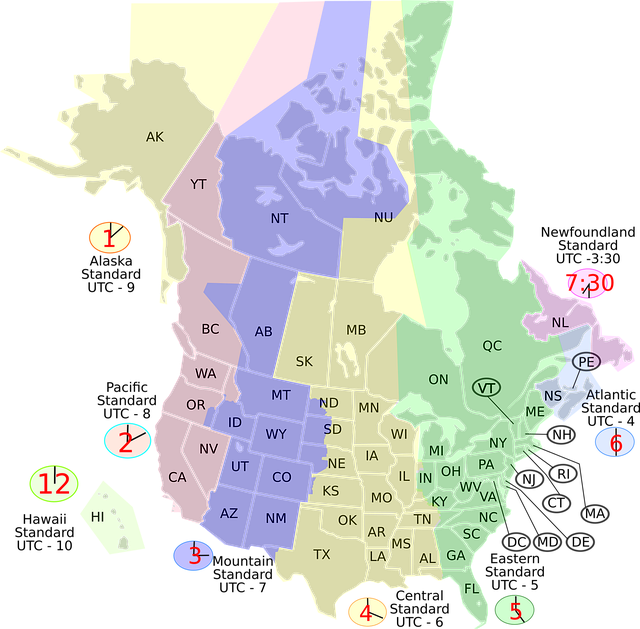
A zoning map serves as a crucial roadmap for investors, offering profound insights into an area’s development potential. Understanding this map is foundational to navigating real estate investments with strategic precision. Each zone on the map represents specific land use designations, reflecting local regulations and community goals. For instance, residential zones dictate areas suitable for homes, while commercial zones foster business growth. Industrial zones accommodate manufacturing and warehouse activities. Investors can leverage this knowledge to identify undervalued properties in emerging sectors or seek out prime locations for mixed-use developments.
By integrating a zoning map parcel lookup during their research, investors gain access to granular data about land parcels, including ownership details, property size, and any existing restrictions. This information empowers them to make informed decisions regarding acquisition strategies and development plans. For example, an investor eyeing urban renewal might uncover a large industrial site available for purchase in a zone poised for mixed-use conversion. Utilizing advanced zoning map tools can reveal historical trends, future projections, and potential returns, enabling investors to anticipate market shifts and capitalize on emerging opportunities.
Moreover, staying abreast of zoning changes is paramount. Local governments regularly update maps to accommodate shifting economic landscapes and community needs. Investors who remain vigilant about these updates can pivot their strategies accordingly, ensuring they remain aligned with the evolving dynamics of their target markets. Proactive monitoring fosters adaptability and enhances the potential for long-term success in a constantly changing real estate landscape.
Financial Trends: Unlocking Opportunities with Data

Zoning maps are invaluable tools for investors looking to navigate financial trends effectively. By analyzing these detailed plans, which categorize land use and development potential, investors can unlock hidden opportunities in emerging markets or identify undervalued properties within established neighborhoods. A zoning map parcel lookup becomes a strategic tool when combined with financial data analysis, allowing for informed decisions about investment strategies.
For instance, a deep dive into historical property values alongside a zoning map reveals areas poised for significant growth. Say, a particular neighborhood experiences increasing demand for residential spaces but has limited new development due to strict zoning regulations. This dichotomy can present an attractive opportunity for investors: acquire land or properties in these areas and capitalize on the future potential once regulatory changes are implemented. Conversely, identifying zones with declining commercial activity through data analysis coupled with a zoning map parcel lookup can signal investment risks or undervalued assets ready for renovation and reuse.
Furthermore, financial trends like market fluctuations, rental demand, and vacancy rates complement the insights gained from zoning maps. Investors can use these trends to time their entries and exits strategically. Data-driven decision-making ensures investments are not merely speculative but based on tangible evidence of a property’s potential. As regulatory changes, economic shifts, and demographic trends all influence real estate values, staying informed through comprehensive data analysis and regular zoning map parcel lookups becomes paramount for successful investment planning.
Mapping Strategies: Aligning Investments with Zoning Rules

Investors looking to maximize returns on real estate ventures must navigate a complex landscape, and one of their most powerful tools is the zoning map. This strategic resource provides an in-depth view of land use regulations, influencing investment planning significantly. By aligning investments with specific zoning rules, investors can uncover opportunities that align with both financial goals and local guidelines. For instance, understanding a zoning map parcel lookup for commercial spaces might reveal areas suitable for mixed-use developments, combining residential and retail units to cater to growing urban populations.
Mapping strategies should be at the core of any investor’s approach. Zoning maps offer detailed insights into permitted land uses, such as industrial, residential, commercial, or mixed-use zones. These classifications impact not only property values but also rental yields and resale potential. Investors can identify emerging trends by analyzing changes in zoning maps over time, anticipating future developments and adapting their strategies accordingly. For example, a shift from industrial to residential zoning might indicate an area’s gentrification, prompting investors to consider long-term prospects for property appreciation.
Effective use of the zoning map involves integrating it with financial trend analysis. By combining data on historical property values, rental rates, and market trends with the specific zoning regulations of a particular area, investors can make informed decisions. This comprehensive approach ensures that investments are not only financially viable but also compliant with local laws. For instance, an investor might utilize a zoning map parcel lookup to identify properties eligible for special use permits, such as those allowing for co-working spaces or short-term rentals, thereby enhancing the potential for attractive returns.
Investors should engage in continuous monitoring of both financial markets and zoning maps. Regularly updating their understanding of local regulations enables them to stay ahead of the curve, capitalize on emerging trends, and adapt investment strategies accordingly. This dynamic approach ensures that every decision is a calculated one, balancing financial goals with compliance, and ultimately leading to sustainable success in the real estate market.
Case Studies: Successful Investor Approaches Using Zoning Maps

Zoning maps play a pivotal role in shaping investors’ strategies by offering detailed insights into property utilization and financial trends. Case studies illustrate how successful investors leverage these tools to make informed decisions. For instance, consider a real estate developer who meticulously studied a zoning map parcel lookup for an urban area. They identified a zone with potential for mixed-use development, combining residential and commercial spaces. By understanding the regulations and permitted uses, they secured a competitive edge and developed a vibrant, profitable project.
Another approach involves analyzing historical data on property values within specific zones over time. Investors can uncover emerging patterns and trends by examining zoning map changes and their subsequent impact on financial markets. For example, in a coastal city, a change in zoning regulations allowing for higher density residential construction led to significant property value increases in the affected areas. This knowledge empowered investors to make strategic purchases, anticipating future appreciation.
Effective use of zoning maps requires a combination of technical skill and market acumen. Investors should utilize online tools for zoning map parcel lookup to access current data, ensuring they have the most accurate information. By integrating this data into their financial analysis, they can identify undervalued assets or areas with high growth potential. Moreover, staying abreast of local government plans and policy changes through official zoning map updates is essential for making proactive investments.